
- Why 2026 Rewards the Strategic Traveler
- All 5 Destinations at a Glance
- The Destinations That Actually Deliver
- How to Actually Make This Work
- What I Wish Someone Had Told Me Earlier
- Frequently Asked Questions
Last September, I stood on a cliff in Albania watching the sunset paint the Ionian Sea in shades of gold and pink. The guesthouse behind me had a private pool. My dinner that night was fresh grilled octopus with local wine. The total cost for the entire day? Under $45.
Meanwhile, a friend was in Santorini doing essentially the same thing — cliff views, pool, seafood dinner — except she spent $380. Same category of experience, radically different price tag. That gap isn’t luck. It’s strategy.
After six years of traveling on a tight budget while working remotely, I’ve come to understand something that changed how I plan every trip: the most visually stunning destinations on Earth are rarely the most expensive ones. Some of the best experiences available to any traveler right now are hiding in places that haven’t yet made it onto the mainstream circuit — and they won’t stay affordable forever.
Why 2026 Rewards the Strategic Traveler
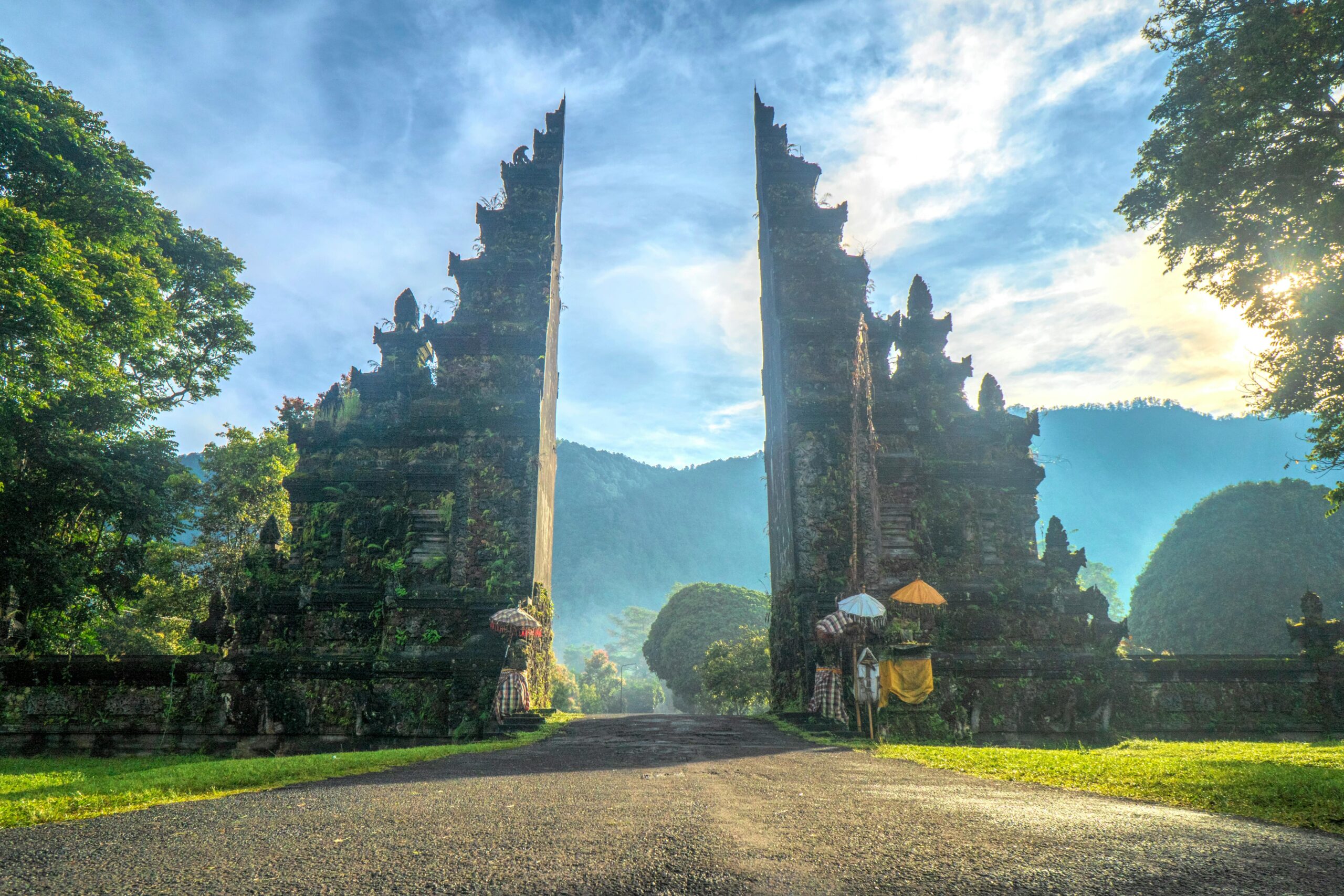
The popular narrative is that travel has gotten universally more expensive. That’s only partially true. The overcrowded destinations have gotten dramatically pricier — Bali has roughly doubled in cost since 2019, Barcelona has cracked down on short-term rentals, and Santorini is operating near capacity. But while everyone fights over the same Instagram coordinates, entire regions have been quietly developing their tourism infrastructure without the corresponding price hikes.
The opportunity in 2026 isn’t finding “cheap” places. It’s finding places where your money buys genuine quality — not budget compromises — because the local cost of living hasn’t yet been inflated by mass tourism. Economists call this purchasing power parity. Travelers who understand it call it living well for less.
The window for some of these destinations is genuinely closing. Albania, for instance, is adding international flight routes and new hotel inventory every season. The time to go is before the pricing catches up to the scenery.
All 5 Destinations at a Glance
| Destination | Daily Budget | Best Time to Visit | Visa (US/EU/UK) | Signature Experience |
|---|---|---|---|---|
| Albania | $50–70 | May–Jun / Sep–Oct | Visa-free up to 1 year | Coastal road Saranda to Vlora |
| Northern Vietnam | $30–50 | Sep–Nov | E-visa (90 days) | Ha Giang motorbike loop |
| Alentejo, Portugal | $70–90 | Apr–Jun / Sep–Oct | Schengen (90 days) | Wine estates and medieval villages |
| Oman | $70–100 | Oct–Mar | E-visa / visa on arrival | Wahiba Sands desert camping |
| Colombia (Coffee Region) | $40–60 | Dec–Mar / Jul–Aug | Visa-free (90 days) | Cocora Valley wax palms |
The Destinations That Actually Deliver
This isn’t a list of 25 budget destinations recycled from a decade-old travel blog. These are five places I’ve personally visited in recent years where the value genuinely surprised me — where I felt I was getting far more than I was paying for.
Albania: Europe’s Best-Kept Secret (For Now)
Albania has the same crystal-clear Adriatic and Ionian waters as Croatia and Greece. The food is fresh Mediterranean cuisine. The people are genuinely welcoming in a way that feels unrehearsed. And somehow, it all costs roughly 70% less than its neighbors.
During two weeks there, I stayed in beachfront guesthouses in Ksamil for $25–35 per night. I ate grilled seafood and drank local raki overlooking the sea for under $15. I rented a car for approximately $20 per day and drove the stunning coastal road from Saranda to Vlora — one of the most beautiful drives in Europe — with almost no other tourists in sight.
The infrastructure is improving rapidly. New hotels are appearing each season. International airlines are adding routes to Tirana. The honest advice: go in the next two years before word fully gets out and prices adjust to match the scenery.
Realistic daily budget: $50–70 for comfortable travel, not backpacker hostels.
Best time to visit: May to June and September to October. July and August bring peak-season crowds and higher prices. The coast is mild in winter, but most smaller tourist facilities close.
Visa: US, EU, UK, and Canadian citizens can enter Albania visa-free for stays of up to one year. Verify current requirements through your government’s official travel advisory before departure.
Northern Vietnam: Beyond the Tourist Trail
Ha Long Bay is beautiful. It’s also crowded, increasingly expensive, and thoroughly packaged for mass tourism. The real magic in Vietnam is several hours north, in provinces most international visitors never reach.
Ha Giang, near the Chinese border, is hands-down the most visually dramatic landscape I’ve encountered anywhere. Limestone karsts, golden terraced rice paddies, ethnic minority villages that operate on a genuinely different rhythm. A four-day guided motorbike loop — with an experienced local driver, because those mountain roads are serious — runs approximately $180 total including accommodation and all meals.
Sapa remains accessible and offers excellent trekking, though it has grown significantly more commercialized. The current sweet spot for adventurous travelers is Cao Bang province: waterfalls, caves, and mountain scenery with almost no international presence.
Realistic daily budget: $30–50 for comfortable travel.
Best time to visit: September to November in the northern highlands — rice terraces turn gold, weather is dry, and temperatures stay comfortable. Avoid December to February when mountain areas turn cold and foggy, and June to August when heavy rains make mountain roads genuinely dangerous.
Visa: Most nationalities can obtain a Vietnam e-visa online valid for up to 90 days. The process takes approximately three business days. Some nationalities qualify for visa-free entry — check official Vietnamese immigration sources for current eligibility.
Portugal’s Alentejo Region: The Anti-Lisbon
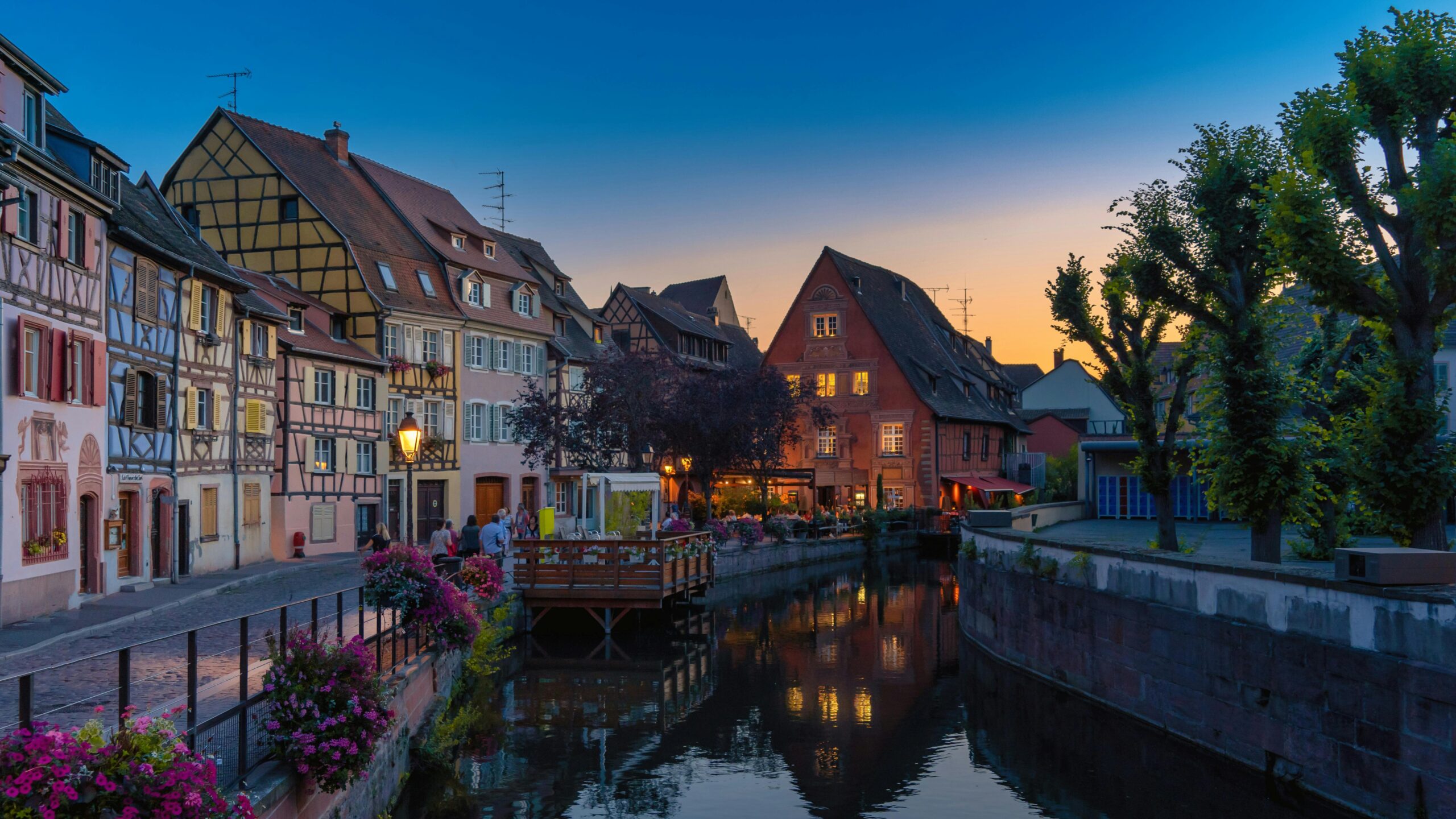
Portugal as a whole is no longer a budget destination — Lisbon and Porto have become genuinely expensive cities. But drive two hours south of Lisbon into the Alentejo, and the price reality shifts completely.
Rolling cork oak forests. Medieval hilltop villages with whitewashed walls. Some of the best wine in the country served at cellar-door prices. And because it sits well outside the typical tourist circuit, the region has maintained pricing that feels closer to Portugal’s past than its present.
A converted farmhouse outside Évora — breakfast included, with a pool — ran $55 per night. Wine tastings at small family producers were free or a few euros. The region’s famous black pork, served at local restaurants, cost under $15 per plate. The Alentejo coast is equally underrated: wild beaches that look like they belong in a remote corner of Australia, with excellent seafood restaurants within walking distance.
Realistic daily budget: $70–90 for comfortable travel. A rental car is essentially required.
Best time to visit: April to June and September to October. Inland summer temperatures regularly exceed 40°C (104°F), making outdoor exploration genuinely uncomfortable. Spring brings wildflowers and ideal hiking conditions.
Visa: Portugal is part of the Schengen Zone. US, UK, Canadian, and Australian citizens can visit visa-free for up to 90 days within any 180-day period. Non-EU visitors should check whether the ETIAS travel authorization system applies to their nationality before traveling.
Oman: Luxury Desert Vibes Without Dubai Prices
This one surprised me more than anywhere else on this list. The Middle East, in most people’s mental model, means either ultra-luxury prices or instability. Oman is neither. It’s safe, genuinely welcoming, visually extraordinary, and — if you approach it strategically — affordable.
The key is mixing accommodation types rather than defaulting to resorts. Two nights at a traditional Omani guesthouse in Nizwa ran $45 per night. Two nights camping in the Wahiba Sands desert cost $60 total — including dinner, breakfast, and a sunset camel ride. One splurge night at a mid-range Muscat resort brought the average up, but the overall trip remained well within budget.
The landscapes are genuinely otherworldly: dramatic canyons, ancient forts, pristine wadis where you can swim in emerald pools surrounded by date palms. The hospitality is some of the most sincere I’ve experienced anywhere.
Realistic daily budget: $70–100 for comfortable travel.
Best time to visit: October to March — this is non-negotiable. Summer temperatures regularly exceed 45°C (113°F) with high coastal humidity, making outdoor activities dangerous. The ideal window is November to February when daytime temperatures sit around 25–30°C (77–86°F) and desert nights are genuinely cool.
Visa: Oman offers e-visas and visa-on-arrival options for most nationalities including US, EU, and UK citizens. Costs and validity periods vary — verify current requirements through official Omani immigration sources before booking.
Colombia’s Coffee Region: Beyond Medellín and Cartagena
Colombia has become significantly more popular, but the majority of visitors still concentrate in Bogotá, Medellín, and Cartagena. The Coffee Region — Eje Cafetero — remains comparatively uncrowded and offers some of the country’s best value alongside its most distinctive landscapes.
Salento makes an excellent base: a colorful town surrounded by working coffee farms and the towering wax palms of the Cocora Valley. A charming finca (farm stay) ran $30 per night. Coffee farm tours cost approximately $15. The region’s famous trout dishes were under $8. Day trips to the hot springs of Santa Rosa de Cabal and the páramo ecosystems of Los Nevados National Park add genuine variety without dramatic cost.
Realistic daily budget: $40–60 for comfortable travel.
Best time to visit: December to March and July to August are the driest months in the region. The Coffee Region sits at 1,500–2,000 meters elevation, keeping temperatures comfortable year-round at roughly 18–25°C (64–77°F) regardless of season.
Visa: US, EU, UK, Canadian, and Australian citizens can enter Colombia visa-free for up to 90 days, extendable to 180 days. Verify current entry requirements through Colombia’s official Ministry of Foreign Affairs before traveling.
How to Actually Make This Work
Knowing where to go is half the equation. The other half is logistics — and a few consistent habits separate travelers who consistently get great value from those who consistently overpay.
Flights: Stop Paying Full Price
Use a flight search tool with flexible date options and set up price alerts months in advance. Flight prices fluctuate constantly based on algorithms, and the same route can vary by hundreds of dollars depending on when you search. Booking into major regional hubs and then connecting via budget carriers — flying into London and taking a low-cost flight to Tirana, for instance — frequently saves significantly compared to routing directly to smaller destination airports.
Accommodation: The Middle Path
The sweet spot between backpacker dorms and international chain hotels is locally-owned guesthouses and small family-run properties. These typically cost the same as mediocre branded hotels while including breakfast, genuine local knowledge, and the kind of hospitality that actually improves a trip. In destinations with strong guesthouse cultures — Albania, Georgia, Oman, Vietnam — booking directly with the property often yields better rates than booking platforms, and ensures more of the money reaches the hosts.
Food: Walk Two Blocks
The single most reliable rule in travel is to walk at least two blocks away from any major tourist attraction before eating. Look for places with menus in the local language, or no printed menu at all. Ask hotel staff where they eat on their days off. In Southeast Asia, market lunches and street food represent the best cooking available, not a compromise. In the Balkans, family restaurants serving no tourists are almost always better than the ones with photos on the menu.
Travel Insurance: Non-Negotiable
Budget travel does not mean traveling unprotected. A single medical emergency abroad can cost tens of thousands of dollars. Travel insurance for a two-week trip typically runs $30–80 and covers medical emergencies, evacuation, trip cancellation, and lost luggage. Compare policies across aggregator platforms to find appropriate coverage for your destination and trip length. It is not an optional expense.
What I Wish Someone Had Told Me Earlier
The practical logistics matter. But after years of doing this, the habits that made the biggest difference weren’t tips about flight booking or accommodation. They were mindset shifts.
Slow down. The fastest way to destroy a travel budget is trying to cover too much ground too quickly. Transport costs compound, and exhaustion leads to expensive convenience decisions — taxis instead of local transit, tourist restaurants because you’re too tired to walk further. Spending at least four to five nights in each location cuts daily costs meaningfully and consistently produces better experiences.
Travel in shoulder season, not off-season. Off-season weather can genuinely make destinations unpleasant or inaccessible. Shoulder season — the weeks immediately before or after peak times — delivers the price benefits without the weather penalty. The best windows for each destination above are specifically shoulder-season recommendations, not off-season compromises.
Learn ten words in the local language. Hello, please, thank you, how much, delicious. These words have produced discounts, genuine connections, and experiences that simply don’t happen when you interact exclusively in English. The effort is noticed everywhere and appreciated everywhere.
Budget for experiences, not minimalism. The goal is not spending the absolute minimum — it is spending on things that matter while being indifferent to things that don’t. Pay for a good local guide. Pay for the meal that requires a reservation. Save money aggressively on hotel lobbies, airport lounges, and international chain restaurants. That’s the actual calculus of budget luxury travel.
Use a no-foreign-transaction-fee card. Standard foreign transaction fees run approximately 3% of every purchase. On a multi-week trip with significant daily spending, this adds up to a meaningful sum. A travel-oriented credit card that waives foreign transaction fees eliminates this cost entirely.
Frequently Asked Questions
What is the cheapest luxury-feeling travel destination in 2026?
Albania is currently the most affordable luxury-feeling destination in Europe. You can enjoy beachfront guesthouses, fresh seafood dinners, and stunning Adriatic coastline views for under $50–70 per day — roughly 70% less than neighboring Greece or Croatia.
How much money do I need per day for budget luxury travel?
Daily budgets vary by destination: Northern Vietnam costs $30–50/day, Albania $50–70/day, Colombia’s Coffee Region $40–60/day, Portugal’s Alentejo $70–90/day, and Oman $70–100/day. These figures cover comfortable accommodation, meals, and activities — not backpacker hostels.
When is the best time to travel on a budget?
Shoulder season — the weeks just before or after peak tourist times — offers the best value. Prices typically drop 30–40%, crowds thin out, and weather is usually still pleasant. Albania is best visited in May–June or September–October, and Vietnam’s north is ideal from September to November.
Do I need a visa for Albania, Vietnam, Oman, Colombia, or Portugal?
Visa requirements depend on your nationality. US, EU, and UK citizens can enter Albania visa-free for up to one year. Vietnam offers e-visas valid for 90 days. Oman provides visa-on-arrival or e-visa for most nationalities. Colombia allows visa-free stays of up to 90 days for most Western passports. Portugal follows Schengen Zone rules with 90-day visa-free access for many nationalities. Always verify current requirements on your government’s official travel advisory site before booking.
Is it safe to travel to Albania, Vietnam, and Colombia on a budget?
All three destinations are generally safe for tourists exercising normal precautions. Albania has very low violent crime rates. Vietnam is consistently ranked among the safest countries in Southeast Asia. Colombia’s primary tourist regions — the Coffee Region, Cartagena, and Medellín — have improved dramatically in safety over the past decade. Always check your government’s latest travel advisories and use common-sense precautions such as avoiding unlit areas at night and keeping valuables secure.
Last updated: March 2026. Daily budget figures reflect approximate travel costs based on personal experience and may vary based on season, exchange rates, and booking timing. Visa requirements and entry rules change — always verify with official government sources before traveling.